 🌸
🌸
Hanafuda Legends
Koi-Koi Online
Learn Koi-Koi rules, yaku combinations, and scoring so you can play with confidence.
Koi-Koi is a two-player game played with the 48-card Hanafuda deck. On each turn you match cards by month, capture pairs into your pile, and build yaku—scoring combinations such as animals, ribbons, or brights. When a yaku completes, you either stop to bank your points or call "koi-koi" to keep playing for a bigger score, knowing your opponent could end the round first. Play your first game now
Hanafuda (花札), or "flower cards," is a traditional Japanese deck consisting of 48 cards. Unlike Western decks, these are divided into 12 suits, each representing a month of the year and a specific flower.
Print or save these guides for quick reference at the table or offline use.
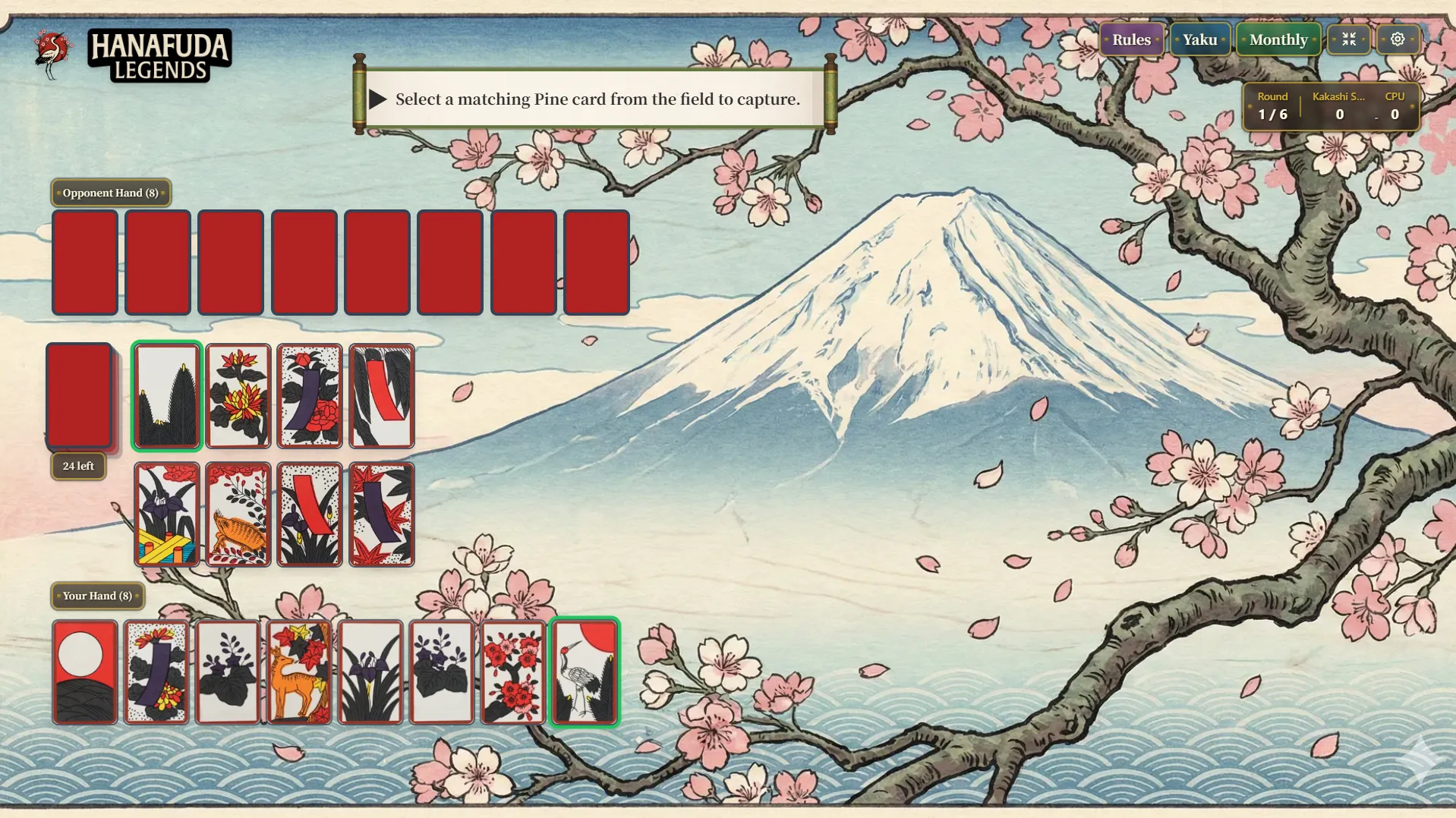
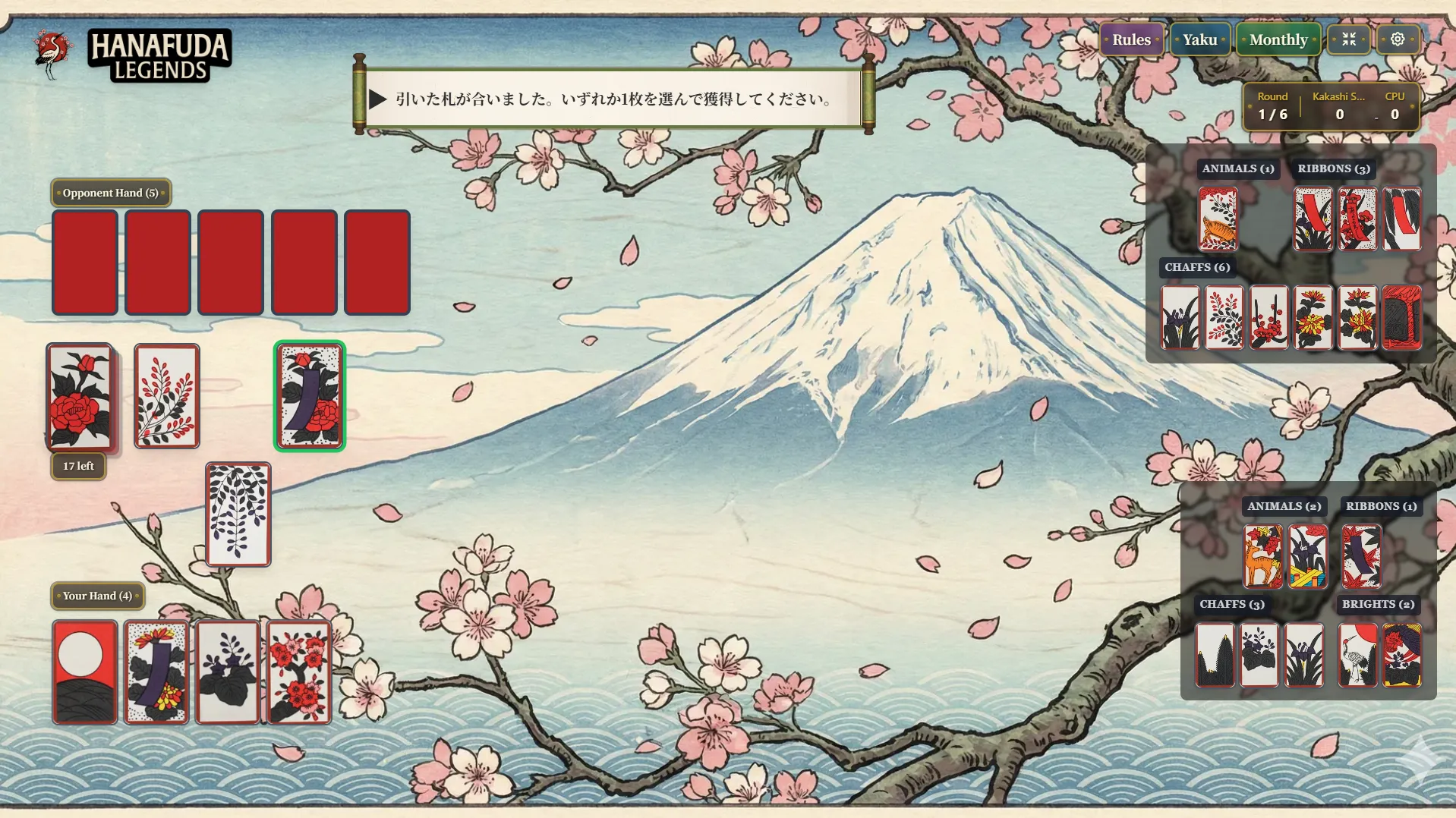
A round of Hanafuda Koi-Koi starts with the deal: each player gets 8 cards, and 8 are placed face-up on the table. On your turn, play one card from your hand to match a card of the same month on the field, or add it to the field. Then draw a card and match or add it. The cards you capture form yaku (scoring combinations). Rounds continue until a player ends with a yaku or the deck is empty.
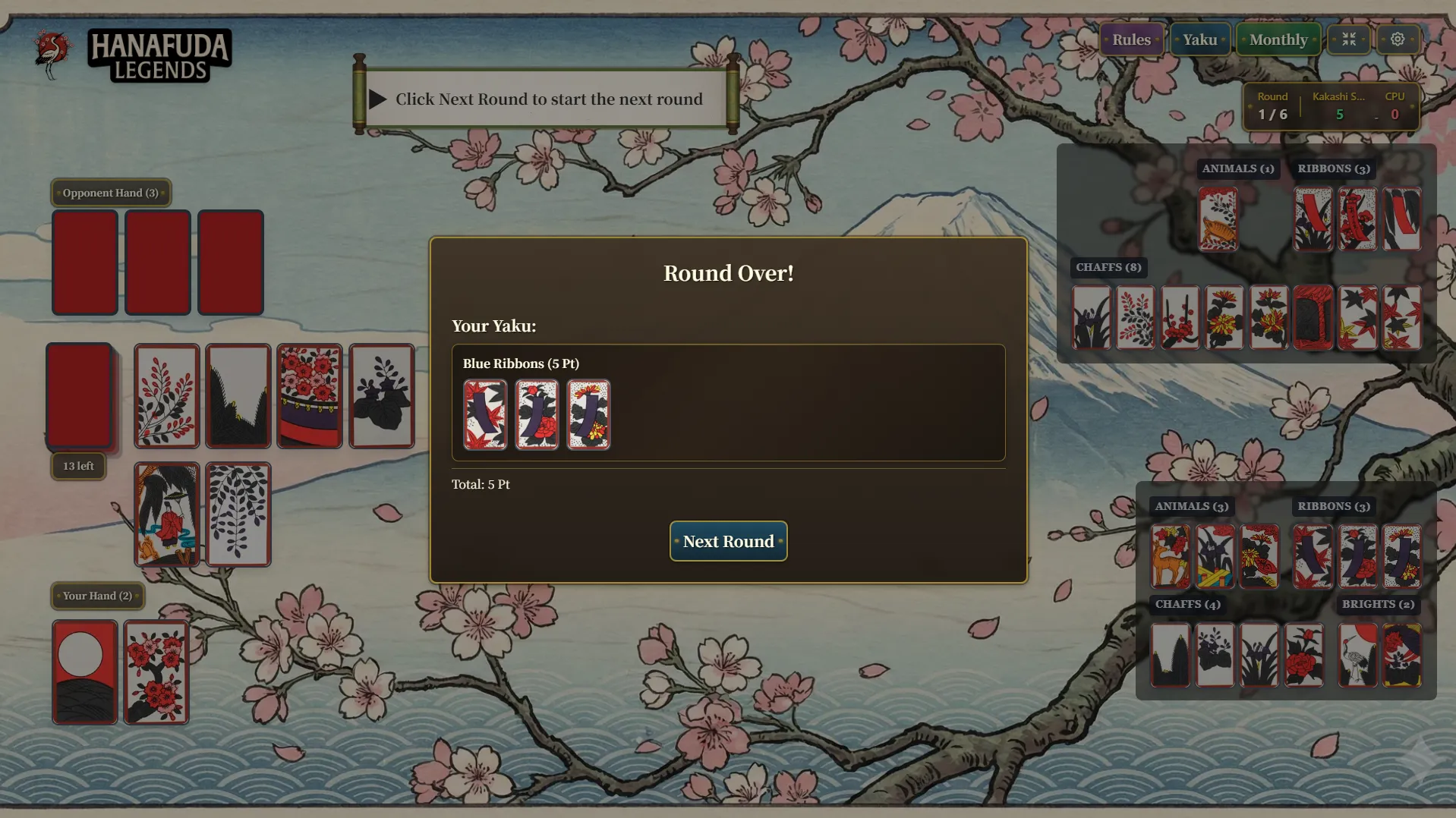
Three beats of a single turn from Hanafuda Legends.
Winning yaku are scoring combinations of captured cards. Below is every combination with its cards and points, from chaffs and ribbons to the five brights.
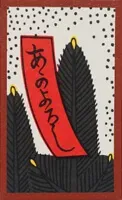
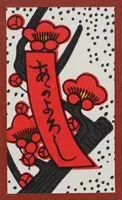
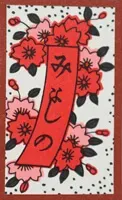
Three poetry (red/akatan) ribbons: Pine, Plum, Cherry. A classic ribbon yaku in Koi-Koi.

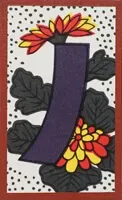

Collect the three blue (or purple) ribbons from the Peony (June), Chrysanthemum (September), and Maple (October) suits.



Any three bright cards, excluding the Willow Rain Man. 5 points.
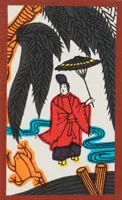
The Willow Rain Man plus any three other bright cards. 7 points.
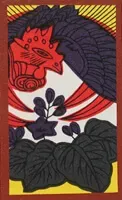
Any four bright cards, excluding the Willow Rain Man. 8 points.
All five bright (light) cards: Pine Crane, Cherry Curtain, Susuki Moon, Willow Rain Man, Paulownia Phoenix. The highest-value yaku.

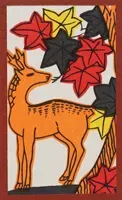
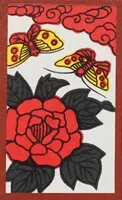
The three animal cards: Boar (July), Deer (October), Butterfly (June). Ino-shika-chō — one of the most iconic yaku.
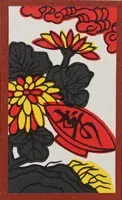
August (Moon) and September (Sake Cup) — the moon and sake cup combination. 5 points.
March (Curtain) and September (Sake Cup) — cherry blossom and sake cup. 5 points.
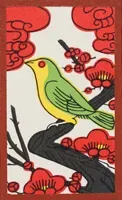

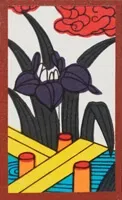
+1 for each extra
Five or more animal (tane) cards. Base 1 point, with bonus points for additional animals.

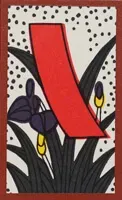
+1 for each extra
Five or more ribbon cards. Base 1 point, with bonus for additional ribbons.

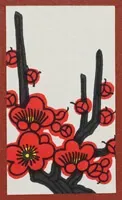
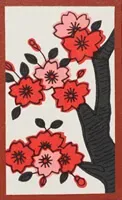

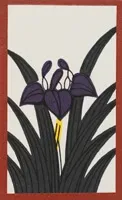



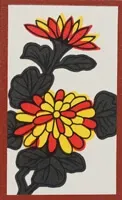
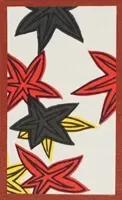
+1 for each extra
Ten or more chaff (kasu) cards. Base 1 point, with bonus for additional chaffs.
Here is a concrete captured pile and how Hanafuda Legends adds the points (before round multipliers).
Suppose your captures include the Boar (July), Deer (October), and Butterfly (June) for Ino-shika-cho, plus the Bush Warbler (February) and Wild Geese (August), and three chaff cards.
Keep the same cards and add two more animal cards (seven animals in total). In Hanafuda Legends, Tane scores 1 point for five animals plus 1 point for each extra animal.
Multipliers apply in this order in-game: add all yaku, then apply the 7+ doubling and any koi-koi doubling together.
Hanafuda cards are organized into 12 monthly suits (January through December). Each month has exactly 4 cards: typically one Bright or special card, one Animal or Ribbon, and two Chaff cards depending on the month. You match and capture cards by month (suit), not by numeric value.
The koi-koi decision comes when you form a yaku: stop (Agari) to bank your points and end the round, or call "koi-koi" to keep playing for more. If you call koi-koi and your opponent scores before you do, they win the round and you risk losing your points.
Options:
Special rules cover automatic wins after the deal (Teyaku) and void fields. Teshi is four cards of the same month in hand. Kuttsuki is four pairs in hand. If the field has four of one month face-up at the start, the round is void and the deal is reshuffled. These rules vary by house.
Details:
If you are dealt 4 cards of the same suit in your starting hand, you win the round automatically (usually 6 points).
If you are dealt 4 pairs of cards (e.g., two Jan, two Feb, two Mar, two Apr), you win the round automatically (usually 6 points).
If 4 cards of the same month are dealt face-up on the field at the start, the round is voided and the cards must be reshuffled.
The sake cup — Chrysanthemum with Sake Cup (September) — is the most versatile card in Koi-Koi. In many rules it counts as both a Tane (animal) and a Kasu (chaff), so it helps multiple yaku. It is also the key card for Moon Viewing and Cherry Blossom Viewing combinations.
Dual Role: In many rule variations, it can count as both a Tane (Animal/Seed) card AND a Kasu (Chaff) card simultaneously.
Key Combo: It is the centerpiece for the Tsukimi-de-Ippaku (Moon-viewing) and Hanami-de-Ippaku (Flower-viewing) Yaku.
Key terms for reading this guide and playing Koi-Koi.
Was this guide helpful?