 🌸
Hanafuda Legends
Koi-Koi Online
Akatan is the three red ribbons with poetry written on them. It is worth a flat 5 points. Extra ribbons beyond these three do not raise Akatan; they count toward the general Ribbons (Tanzaku) yaku instead.
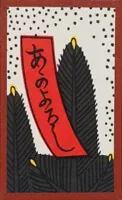
January · Red Poetry Ribbon
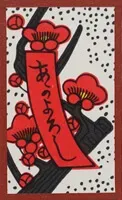
February · Red Poetry Ribbon
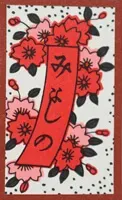
March · Red Poetry Ribbon
The writing on the ribbons reads akayoroshi (“clearly excellent”) on January and February, and miyoshino (a famous cherry-blossom place) on March.
All three are also ribbon cards (tan), so Akatan often grows into Tanzaku as well. If you collect both Akatan and Aotan, you score both 5-point yaku separately (10 points from the two sets), and those six ribbons also count toward Ribbons if you reach five or more ribbons overall. Hanafuda Legends does not use a separate “Akatan–Aotan” combo yaku beyond that.
The three months are consecutive at the start of the year, so once you hold one or two poetry ribbons, January to March cards in your hand become very valuable. March also contains the Curtain (a Bright), so March captures can help two yaku at once.
Only the January, February and March poetry ribbons make Akatan. The plain red ribbons of April, May, July and November look similar at a glance but never complete this yaku. Learn the writing (or the months) early; mixing them up is one of the most common beginner mistakes in Koi-Koi.
Akatan uses the same Nintendo-style Koi-Koi scoring on Hanafuda Legends whether you play ranked, casual, private rooms, or vs computer. Set yaku replace smaller versions of the same family (you do not score Sankō and Shikō together), while unrelated yaku such as ribbons, animals and chaff still add to your total when you stop.
If you are new to the combination, practise in the tutorial or against the computer first, then take it into online play. How to Play covers the turn structure, matching, and when to call Koi-Koi versus stopping for points.