 🌸
Hanafuda Legends
Koi-Koi Online
Tanzaku means capturing five ribbon cards of any kind. It is worth 1 point, plus 1 point for each additional ribbon beyond five.
Any 5 of these 10
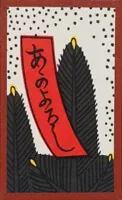
January · Red Poetry Ribbon
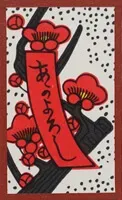
February · Red Poetry Ribbon

March · Red Poetry Ribbon

April · Purple Ribbon

May · Purple Ribbon

June · Blue Ribbon

July · Plain Ribbon
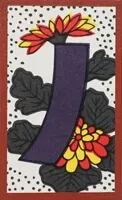
September · Blue Ribbon

October · Blue Ribbon

November · Plain Ribbon
Tanzaku counts every ribbon, including the ones that also make Akatan or Aotan. A pile with the three poetry ribbons and two other ribbons scores both Akatan (5) and Tanzaku (1 at five ribbons).
Ribbons come steadily through a round, so Tanzaku is a reliable small yaku. It's most useful as a back-up: if your big plan is blocked, five ribbons still give you something to stop on.
Calling Koi-Koi to add more ribbons is usually low-risk early in the round and high-risk late. Each ribbon is only +1, so think about what your opponent is close to before calling.
All ten ribbons feed Tanzaku, including poetry and blue sets. That means a finished Akatan already gives you three of the five ribbons you need. The remaining two often come from plain red ribbons later in the year. Keep a soft count of ribbons in both piles so you know when Tanzaku is one capture away.
Ribbons (Tanzaku) uses the same Nintendo-style Koi-Koi scoring on Hanafuda Legends whether you play ranked, casual, private rooms, or vs computer. Set yaku replace smaller versions of the same family (you do not score Sankō and Shikō together), while unrelated yaku such as ribbons, animals and chaff still add to your total when you stop.
If you are new to the combination, practise in the tutorial or against the computer first, then take it into online play. How to Play covers the turn structure, matching, and when to call Koi-Koi versus stopping for points.