 🌸
Hanafuda Legends
Koi-Koi Online
Kasu means capturing ten chaff cards (カス札, the plain cards). It is worth 1 point, plus 1 point for each additional chaff card beyond ten.
Any 10 of these 24
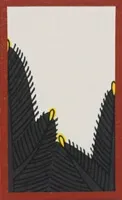
January · Pine chaff
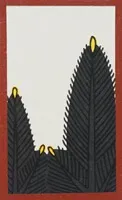
January · Pine chaff
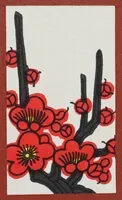
February · Plum chaff
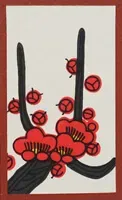
February · Plum chaff
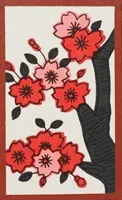
March · Cherry chaff
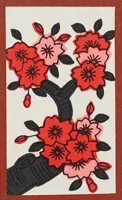
March · Cherry chaff

April · Wisteria chaff

April · Wisteria chaff
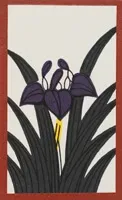
May · Iris chaff
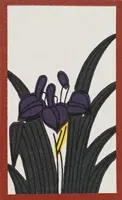
May · Iris chaff

June · Peony chaff

June · Peony chaff

July · Clover chaff

July · Clover chaff

August · Grass chaff

August · Grass chaff
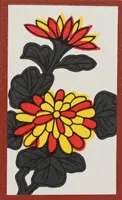
September · Chrysanthemum chaff
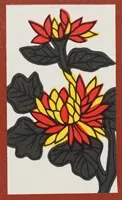
September · Chrysanthemum chaff
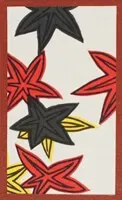
October · Maple chaff
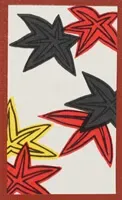
October · Maple chaff
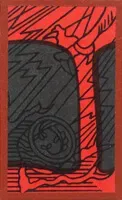
November · Willow chaff
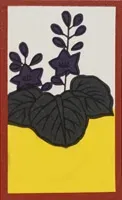
December · Paulownia chaff

December · Paulownia chaff
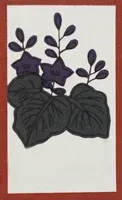
December · Paulownia chaff
Each month has two chaff cards, except November (one, the Lightning card) and December (three). That's 24 chaff in total. In Hanafuda Legends the Sake Cup is an animal card only — it does not also count as chaff for Kasu.
Kasu is the most common yaku in the game, because most captures include chaff. It rarely wins a round on its own, but it's often the difference between scoring and losing everything.
You don't chase Kasu as much as collect it along the way. When the field offers nothing valuable, a chaff capture still pushes you towards Kasu, and it takes a card your opponent might have needed.
Kasu with many cards left in the round can grow quickly: every chaff is +1. It can be worth calling Koi-Koi on Kasu when your opponent's capture pile shows no yaku close to completion.
With 24 chaff cards in the deck, Kasu is almost always available as a fallback. Players who only chase Brights sometimes lose to an opponent who quietly stacked ten plains and stopped. In Hanafuda Legends the Sake Cup never helps Kasu — only true chaff cards do — so count Lightning and the December plains carefully.
Kasu uses the same Nintendo-style Koi-Koi scoring on Hanafuda Legends whether you play ranked, casual, private rooms, or vs computer. Set yaku replace smaller versions of the same family (you do not score Sankō and Shikō together), while unrelated yaku such as ribbons, animals and chaff still add to your total when you stop.
If you are new to the combination, practise in the tutorial or against the computer first, then take it into online play. How to Play covers the turn structure, matching, and when to call Koi-Koi versus stopping for points.