 🌸
Hanafuda Legends
Koi-Koi Online
Gokō is the rarest and most valuable yaku in Koi-Koi: you capture all five Bright cards (光札, hikari-fuda). It is worth 10 points.
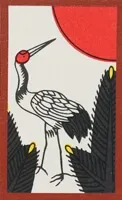
January · Crane on Pine
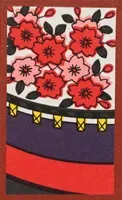
March · Cherry Blossom Curtain
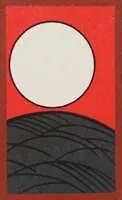
August · Full Moon
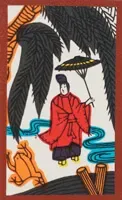
November · Rain Man
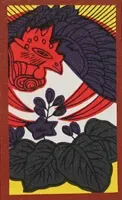
December · Phoenix
Gokō replaces the smaller Bright yaku: when you complete it, you score Gokō, not Sankō or Shikō on top of it. Other yaku you hold in the same round, such as ribbons or animals, still add to your total.
You rarely plan a Gokō from the start; it grows out of a strong Shikō or Ame-Shikō. If you already hold four Brights and the fifth is still in the deck or likely in your opponent's hand, calling Koi-Koi to chase it can pay off. If the fifth Bright has already been played to the field and taken by your opponent, Gokō is impossible, so stop and take your points.
There are only five Bright cards in the whole 48-card deck, and your opponent wants them just as much as you do. Completing Gokō usually means surviving several turns with four Brights already showing in your pile — a clear signal that invites blocking. That is why Gokō often decides a match when it appears: ten points is enough to swing a multi-round game on its own.
Gokō uses the same Nintendo-style Koi-Koi scoring on Hanafuda Legends whether you play ranked, casual, private rooms, or vs computer. Set yaku replace smaller versions of the same family (you do not score Sankō and Shikō together), while unrelated yaku such as ribbons, animals and chaff still add to your total when you stop.
If you are new to the combination, practise in the tutorial or against the computer first, then take it into online play. How to Play covers the turn structure, matching, and when to call Koi-Koi versus stopping for points.
Shikō (Four Brights), Ame-Shikō (Rainy Four Brights), Sankō (Three Brights). See How to Play for the full scoring table.