Owned
Hanafooda Hawaii Grinds

From this deck
About this deck
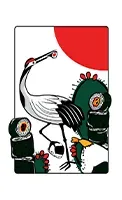
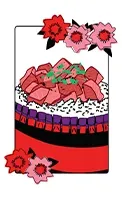
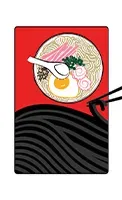
Hanafooda reimagines the traditional Hanafuda deck through original artwork rooted in Hawaii's local food culture, while keeping the color palette and visual elements of classic Hanafuda intact — so the deck still feels familiar in the hand. Each suit trades its traditional flower motif for a dish or ingredient pulled from Hawaii's food scene, a nod to the wave of Japanese immigration to the islands in the early 20th century and the cultural blending that followed. The foods depicted reflect that history directly: some are traditional Hawaiian staples, others are dishes born from the mix of cultures — Japanese, Chinese, Portuguese, Filipino, and more — that immigration brought together, all still popular on the islands today. Despite the reimagined art, this Hanafooda Hawaii Grinds deck remains fully compatible with the classic hachi-hachi-bana card structure, so with this one deck you can play traditional games like Koi-Koi and Hana-Awase, or “Sakura” which is a modified Hawaiian-style Hanafuda game variant. The deck is integrated into a larger western playing card deck with 52-cards and jokers to extend the gameplay possibilities.
Hidden Lore
The Spam Musubi “Gaji” Wildcard: The Gaji card was reimagined to feature spam musubi — a deliberate pairing. Just like the wildcard itself, spam musubi is polarizing: people either love it or hate it, and there's rarely an in-between. It's also one of Hawaii's most iconic local foods, making it a fitting face for the deck's most unpredictable card. Learn more about the Hanafooda deck and grab one for yourself — or the full Deluxe Game System bundle — at www.hanafooda.com.
About the artist
Hanafooda reimagines the traditional Hanafuda deck through original artwork rooted in Hawaii's local food culture, while keeping the color palette and visual elements of classic Hanafuda intact — so the deck still feels familiar in the hand. Each suit trades its traditional flower motif for a dish or ingredient pulled from Hawaii's food scene, a nod to the wave of Japanese immigration to the islands in the early 20th century and the cultural blending that followed. The foods depicted reflect that history directly: some are traditional Hawaiian staples, others are dishes born from the mix of cultures — Japanese, Chinese, Portuguese, Filipino, and more — that immigration brought together, all still popular on the islands today.
Where to buy
See it in play
