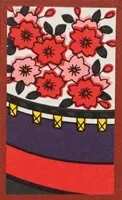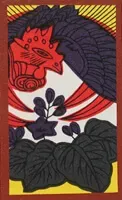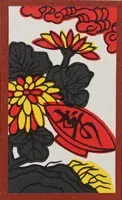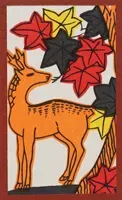

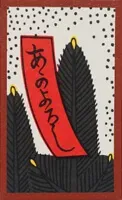
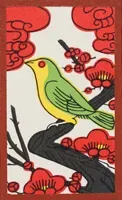

Before Mario, before Zelda, before the Game Boy or the Switch, there were flower cards. The company that would one day define video games began in 1889 as a small shop in Kyoto making hanafuda — hand-crafted Japanese playing cards. It's one of the most surprising origin stories in all of entertainment: the world's most famous video game company spent its first several decades as a card maker, and hanafuda was the product that started it all.
This is the story of how that happened — and why the same little flower cards Nintendo was founded on are still worth playing today.
A craftsman in Meiji-era Kyoto
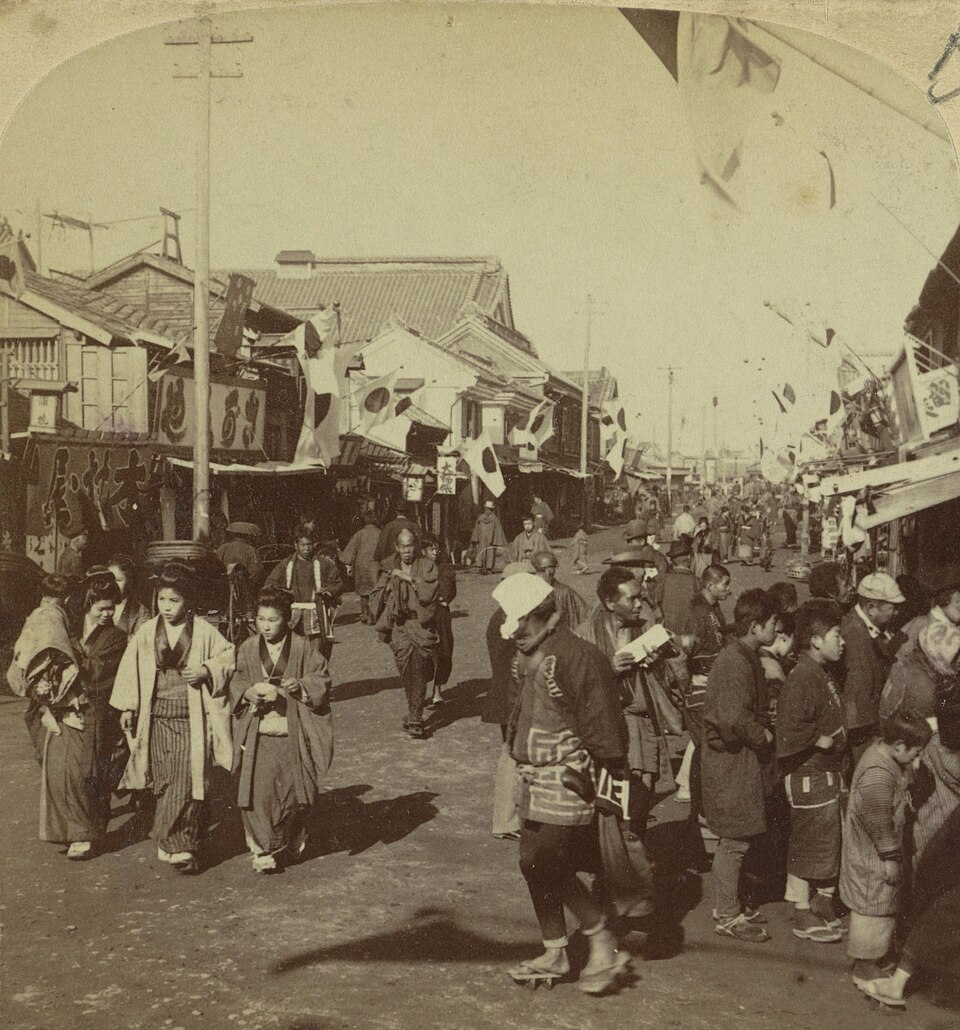
The founder was Fusajiro Yamauchi, a Kyoto entrepreneur with a craftsman's eye and a personal fondness for card games. Kyoto in the late 1800s was a city in transition. The Tokugawa shogunate had fallen, the samurai class was fading, and the emperor had moved the capital to Tokyo. Into this changing world, Yamauchi saw an opportunity in an unlikely place: playing cards.
To understand why that was an opportunity, you have to understand how fraught playing cards had been in Japan for centuries.
Why playing cards were a risky business in Japan
Playing cards first arrived in Japan in the 1500s, brought by Portuguese and Dutch traders. The Japanese adopted them enthusiastically — and, inevitably, gambled with them. That set off a centuries-long game of cat and mouse. Whenever a card game became popular enough to fuel gambling, the authorities banned it. Card makers responded by inventing new designs the bans didn't cover, which became popular, which were then banned in turn.
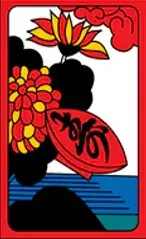
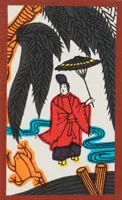
This repeating cycle is one reason hanafuda looks the way it does. Instead of numbers and suits, hanafuda cards carry twelve months' worth of flowers and seasonal imagery — pine, plum, cherry, wisteria, and so on — twelve suits of four cards each. The abstract, illustrated design partly grew out of that long history of prohibition and reinvention: cards that didn't obviously look like the banned gambling decks had a better chance of surviving.
By the Meiji era, the government had relaxed its stance. Restrictions on manufacturing traditional Japanese playing cards eased, and it became possible to produce and sell hanafuda openly rather than in the shadows. That legal opening is precisely what Yamauchi stepped into.
September 23, 1889: Nintendo is born
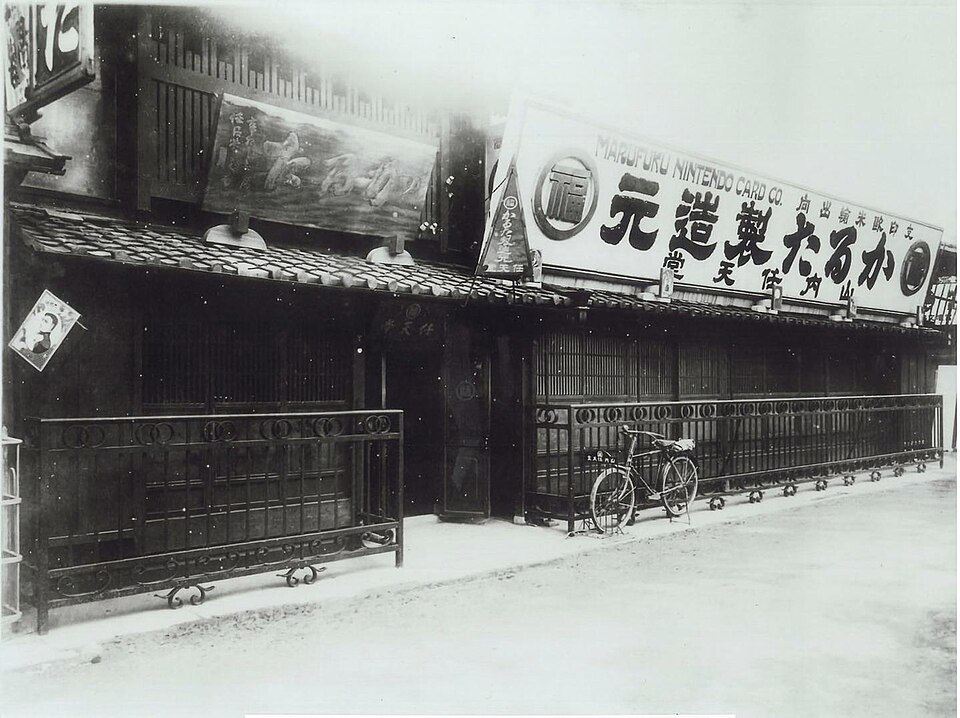
On September 23, 1889, Fusajiro Yamauchi opened a shop in Kyoto to manufacture and sell handmade hanafuda. The business went by several names in its early years — you'll see it referred to as Yamauchi Nintendo, Nintendo Koppai, and Yamauchi Fusajiro Shoten — but the name that stuck, and the one that would eventually appear on game consoles around the world, was Nintendo.
The cards were made by hand from mulberry-bark paper, decorated with traditional artwork through a painstaking, multi-step process. They were, by the standards of the day, beautiful — and that quality set them apart. Demand grew steadily. Yamauchi soon had to hire and train assistants to keep up, moving from one-man craftsmanship toward something closer to production.
What does "Nintendo" mean?
Here's a detail worth getting right, because it's almost always repeated as settled fact when it isn't. The name "Nintendo" is popularly translated as "leave luck to heaven." It's a lovely interpretation — and Nintendo itself has, at times, leaned toward it — but there are no firm historical records confirming that this is what the founder intended. Other proposed readings include "work hard, but in the end it is in heaven's hands" and "the temple/hall of free hanafuda," among others. The honest answer is that the precise intended meaning is uncertain. What's certain is the company was named for a card business, decades before anyone imagined it making anything electronic.
Daitoryō and the Napoleon mystery
One of Nintendo's most iconic early hanafuda products was a premium line called Daitoryō — meaning "president" — and its packaging famously featured a portrait of Napoleon. Why Napoleon, on a deck called "president"? Nobody is entirely sure. One theory holds that the image Yamauchi used was mislabeled and actually depicted someone else; another suggests he may have simply, and incorrectly, believed Napoleon had been a president of France. Whatever the reason, Daitoryō became one of the brand's most recognizable and enduring card products, and the little contradiction on its box is a charming reminder that even legendary companies started out figuring things out as they went.
From flower cards to a nationwide brand
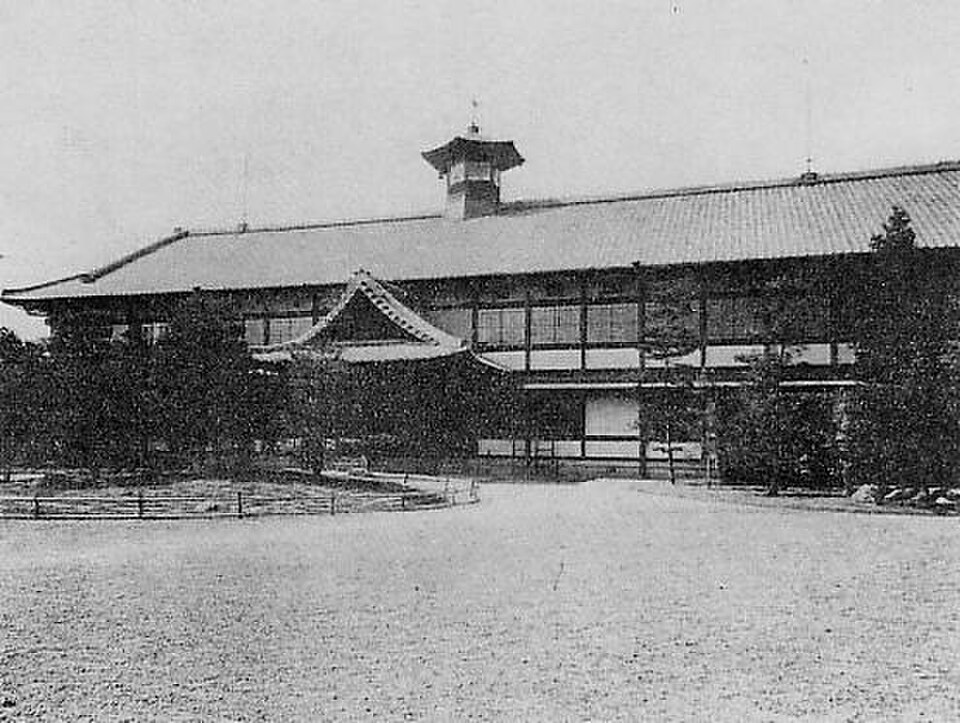
Two things turned Nintendo from a respected Kyoto card maker into a national one. The first was craftsmanship: the cards developed a strong reputation for quality. The second was distribution. Nintendo struck a deal that put its cards into tobacco shops across Japan — an early, clever piece of retail strategy that got hanafuda into the hands of players far beyond Kyoto.
For roughly its first half-century, this is what Nintendo was: a playing-card company. The toys, the arcade machines, and the video games that made the name globally famous were still decades away. But the company's DNA — an obsession with quality, an instinct for play, and a willingness to make something people simply enjoy holding and using — was forged in those hanafuda years.
Nintendo and hanafuda today
Nintendo never entirely abandoned its roots. It still produces hanafuda decks in Japan to this day — including, famously, a Mario-themed set — a quiet acknowledgment of where the whole story began. For a company that now sells hardware and software to hundreds of millions of people worldwide, continuing to print flower cards is a small but meaningful act of memory.
And Nintendo was never alone in this craft. Other traditional makers shaped hanafuda's history too — most notably Oishi Tengudo, the Kyoto card house founded in 1800, which predates Nintendo by nearly a century and still handcrafts hanafuda and karuta today. Hanafuda is a tradition with many keepers.
Play the game Nintendo was built on
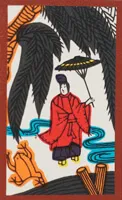
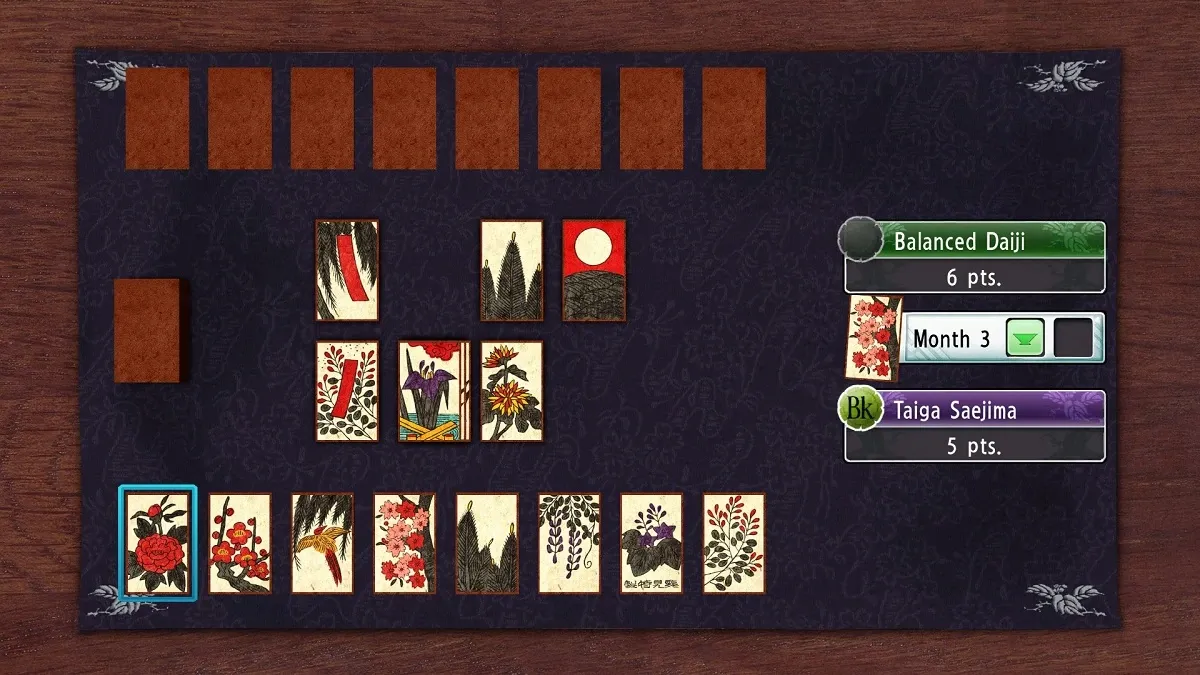
There's something quietly wonderful about the fact that the game at the foundation of the world's biggest video game company is still here — still beautiful, still fun, still very much worth learning. Hanafuda's most popular game, Koi-Koi, is easy to pick up and surprisingly deep, a matter of matching seasonal cards and deciding, hand after hand, whether to bank your points or gamble on more.
At Hanafuda Legends, that's exactly what we've tried to preserve and share: a free, browser-based way to play Koi-Koi online — the same flower-card game that started it all, more than 135 years later. No download, no sign-up. Just the cards, the seasons, and the choice to stop or call "koi-koi."
You can play it right now, free, and see for yourself why these little cards were worth building a company on.
Sources for the historical details in this article include public records on the history of Nintendo and its founder Fusajiro Yamauchi. Where the historical record is uncertain — such as the precise meaning of the name "Nintendo" — we've said so rather than pick a version.